Vacation rentals & alternative accommodation
How to assess whether converting a spare property into a short-term rental is profitable.
A practical, clear approach to evaluating profitability when turning a spare home into a thriving short-term rental, with actionable steps, metrics, and risk considerations for sustainable success.
X Linkedin Facebook Reddit Email Bluesky
Published by Benjamin Morris
March 20, 2026 - 3 min Read
Turning a spare property into a short-term rental can unlock meaningful income, but profitability hinges on careful planning, rigorous data, and disciplined execution. Start by defining your financial goals, whether you seek a steady cash flow, capital appreciation, or simply recovering ownership costs more quickly. Then map out all potential revenue streams, from nightly rates to cleaning fees and minimum stay requirements. Consider the local market dynamics, seasonal demand, and the platform mix you’ll use. Don’t overlook hidden costs such as platform commissions, insurance, utilities, property management, and housekeeping. A transparent model that captures all inflows and outflows helps you compare scenarios and avoid overestimating earnings before investing.
A solid profitability framework begins with a baseline cash flow projection. Gather recent occupancy data for similar properties in your area, noting peak and off-peak cycles. Estimate occupancy, average daily rate, and ancillary fees, then subtract fixed costs like mortgage or rent, taxes, insurance, permits, and maintenance. Add variable costs such as cleaning, utilities, and property management. Run sensitivity analyses to see how changes in occupancy or rate affect bottom-line profit. Build scenarios for different seasons, event-driven demand, and price strategies. Don’t ignore appreciation potential of the asset itself; a well-placed property can appreciate while delivering consistent rental income.
Compare revenue streams, costs, and resilience across scenarios.
Beyond the basic cash flow numbers, profitability depends on how effectively you manage the asset. Excellent guest experiences translate into higher reviews, better search placement, and more bookings at favorable rates. Invest in thoughtful touches that keep guests happy without driving costs through the roof—quality linens, reliable Wi-Fi, clear house rules, and self-check-in where possible. A well-organized turnover process reduces the risk of negative reviews tied to cleanliness or delays. Track key performance indicators such as occupancy rate, average daily rate, revenue per available room, and guest satisfaction scores. Regularly comparing these metrics to benchmarks helps you adjust pricing and operations promptly.
Operational discipline matters as much as pricing. Establish routines for cleaning, restocking, and maintenance to prevent revenue leakage from avoidable issues. Implement a simple property management system or calendar to coordinate bookings, check-ins, and housekeeping without overlap. Consider how you’ll handle guest communications—prompt replies can boost satisfaction and conversion, while miscommunication can deter repeat stays. Prepare a maintenance plan that anticipates wear and tear, and set aside a reserve for unexpected repairs. Assess the cost of furnishings upgrades or replacements over time; durable, easy-to-clean materials often yield better long-term value. A proactive approach lowers the risk profile of the investment.
Examine seasonality, regulations, and tax impacts on net income.
Seasonality is a dominant factor for many markets. Analyze historical occupancy patterns, local events, and school holidays to understand when demand spikes and when it recedes. Price optimization should reflect these swings, with dynamic rates that adjust to demand, competition, and local regulations. Build a calendar that encodes minimum stays during busy periods and flexible stays in slower times. Evaluate your break-even occupancy and rate thresholds to ensure that even in downturns you maintain positive cash flow. Use small, iterative price tests to learn how guests respond and to identify the most profitable balance between occupancy and rate. Document insights and adjust your strategy accordingly.
Regulatory and tax considerations can significantly influence profitability. Check licensing requirements, zoning rules, and any limits on short-term rentals in your area. Some jurisdictions impose occupancy taxes, tourist fees, or stricter safety standards that add costs or compliance burdens. Consult with a tax advisor to optimize deductions for mortgage interest, depreciation, utilities, furnishings, and platform fees. Keep meticulous records of all income and expenses to simplify filings and audits. Understanding the regulatory environment helps you avoid fines, fines, or forced removals that could derail profitability. Proactive compliance protects long-term returns and reduces risk.
Build a disciplined operating routine and a trustworthy online presence.
Market positioning is another lever for profitability. Identify a niche that aligns with your property’s strengths—proximity to transit, family-friendly features, or business-friendly amenities. Tailor the guest experience to that audience, and highlight unique selling points in your listing. Your positioning should inform pricing, photos, descriptions, and guest communications. A clear value proposition helps you stand out amid competition and can justify higher rates or higher occupancy. However, avoid overpromising; maintain authenticity and reliability in every interaction. Use guest feedback to refine your positioning over time, ensuring it remains aligned with what travelers in your area truly value.
Brand consistency across platforms amplifies profitability. Ensure your listing photos are clear, well-lit, and representative of the space. Invest in a concise, honest description that mentions amenities, accessibility, neighborhood highlights, and any quirks guests should know. Maintain uniform rules, check-in instructions, and response times across platforms to build trust. Automate welcome messages, safety information, and check-out procedures where possible to free up your time. A professional, dependable presence reduces the cost of acquiring new guests and supports repeat bookings. Remember, trust is a currency that directly affects profitability through better occupancy and rating scores.
Weigh financial forecasts against risk, competition, and resilience.
Financing considerations shape profitability as much as operating performance. If you’re buying a property for conversion, compare mortgage costs against projected cash flow with a conservative down payment and interest rate. If you’re using an existing asset, consider opportunity costs—the potential gains from alternative investments. A cautious approach includes a reserve fund for vacancy gaps, repairs, or price corrections. Stress-test the model against mortgage default risk or rent-control changes that could affect returns. A robust financial plan anticipates worst-case scenarios and still preserves enough cushion to service debt and cover ongoing expenses.
Risk management should be integral to profitability planning. Identify the main risks—seasonal downturns, guest damage, regulatory shifts, and platform policy changes. Develop contingency plans such as diversified marketing channels, disaster-ready emergency procedures, and clear guest verification processes. Insurance coverage should be robust and appropriately tailored for short-term rentals, including liability and property protection. Regularly review and update safety features, such as smoke detectors, carbon monoxide alarms, and guest safety guidelines. A proactive stance on risk reduces unexpected costs and protects long-term earnings stability.
A practical profitability assessment combines both numbers and narrative. Build a clear business case that outlines expected revenue streams, cost structure, and the assumptions behind your projections. Include a break-even analysis that shows how many nights you must book at target rates to cover all costs. Present scenario planning for best, worst, and most likely cases, clarifying how you would respond to shifts in demand or policy changes. A compelling plan also describes how you will sustain guest satisfaction, maintain property condition, and adapt pricing over time. A well-documented forecast supports decision-making and invites informed investment or risk-sharing arrangements.
Finally, test the concept with a pilot period if feasible. Start with a limited occupancy window, track performance against your model, and iterate quickly. Document what works and what doesn’t, refine your price strategy, and adjust operations for efficiency. A test phase helps validate assumptions without committing excessive capital. Use learnings to scale prudently, adding or upgrading features only when the incremental profit justifies the expense. When the pilot confirms solid profitability, you’ll have a stronger foundation for growth, better negotiation power with platforms, and greater confidence in turning a spare property into a sustainable short-term rental.
Best places to buy
Booking.com
Booking.com
Offers a wide selection of accommodations and user-friendly booking experience for travelers.
Visit Website
Expedia
Expedia
Simplifies travel planning with comprehensive options for flights, hotels, and activities.
Visit Website
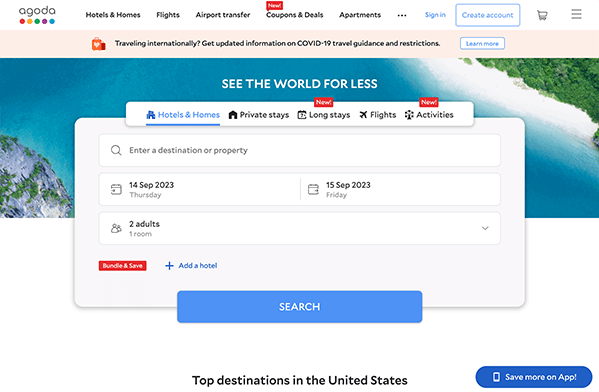
Agoda
Agoda
Known for its extensive network of accommodations and seamless booking process.
Visit Website
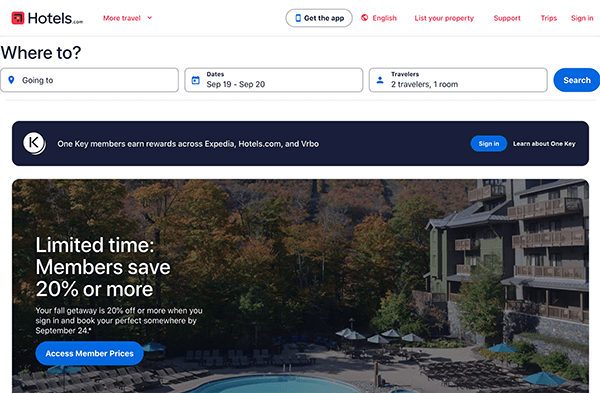
Hotels.com
Hotels.com
Provides convenient booking options and rewards program for frequent travelers.
Visit Website
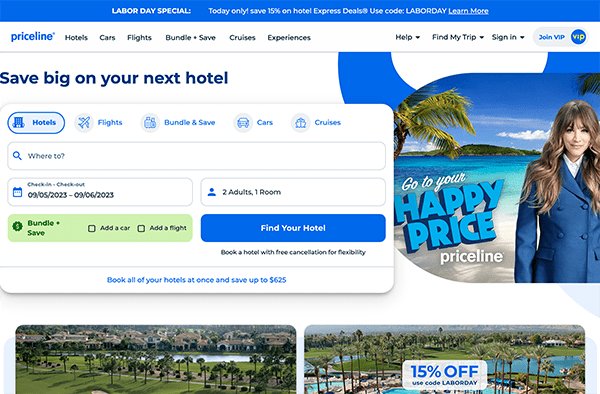
Priceline
Priceline
Allows users to find great deals on flights, hotels, and rental cars.
Visit Website
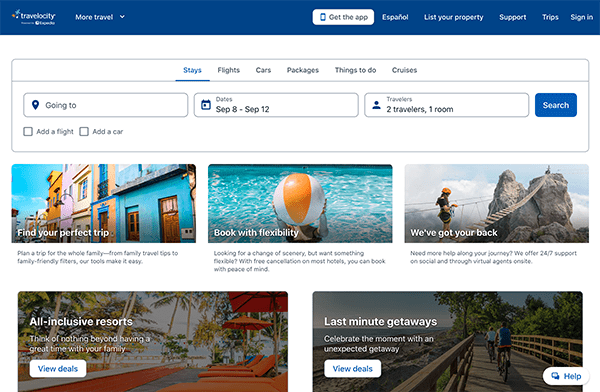
Travelocity
Travelocity
Offers seamless booking experiences and attractive vacation packages for travelers.
Visit Website