Fine jewelry
Essential checklist for evaluating loose gemstones before committing to a major purchase.
Consumers seeking exceptional value in fine jewelry should methodically assess cut, clarity, color, carat, and provenance, while confirming seller credibility, return policies, and post-purchase care to protect investment.
X Linkedin Facebook Reddit Email Bluesky
Published by Jerry Jenkins
April 13, 2026 - 3 min Read
Before purchasing a loose gemstone, it helps to establish a clear framework that guides your assessment and preserves your investment. Start with a realistic budget and a defined purpose for the stone, whether it is for a ring, pendant, or bespoke setting. Understanding your priorities—whether brilliance, size, or rarity—narrows options and streamlines decisions. Familiarize yourself with common gemstone varieties and the distinctive traits that influence price and durability. A well-formed plan also reduces impulse buying, nudging you toward objects that truly meet design goals and long-term value. With intention as your compass, you can evaluate stones more confidently and avoid missteps that undermine satisfaction.
Next, evaluate the four Cs from a practical perspective that aligns with the stone’s intended use. Cut determines light return and sparkle more than any other factor; color can affect perceived brightness in different lighting; clarity reflects internal features, yet many inclusions are invisible to the naked eye when properly mounted. Carat weight influences price exponentially, so small differences in size can have outsized cost implications. Always review the certification accompanying a loose gemstone, recognizing that different laboratories have varying standards. A trusted certificate should detail measurements, proportions, color grading methodology, and any enhancements, offering a verifiable baseline for comparison and future appraisal.
How to interpret certifications and warranties with care.
Provenance matters as much as the stone’s physical attributes because it informs ethics, legality, and potential resale value. Request a clear history of ownership, source, and Kimberly-specified compliance with ethical standards. Many buyers appreciate stones with documented origin, especially when a cut requires precise alignment to maximize brilliance. While the certificate confirms quality, the narrative behind a gemstone can influence confidence and trust. In some markets, traceability adds luxury appeal, signaling a mindful purchase rather than a mere commodity. When provenance is uncertain, you mitigate risk by choosing suppliers who publish transparent sourcing policies and maintain robust verification processes.
Assess the cut with attention to symmetry, culet size, pavilion depth, and crown angle, since these elements collectively affect light performance. A well-cut stone will reveal its fire and scintillation without exhibiting dull patches or dark centers. For unmounted stones, seek live demonstrations or high-resolution imagery under multiple lighting conditions to gauge true brightness. Don’t rely on a single photo; compare against established benchmarks and independent analyses. If you cannot observe a gem in person, insist on a trial period or a return policy that allows firsthand inspection. A cautious approach here protects both aesthetics and financial merit.
Practical checks for durability, setting, and future care.
Certification is the backbone of any informed loose-gem purchase, yet it is only as strong as the issuing laboratory’s integrity. Identify whether the lab uses standardized grading scales and transparent criteria for color, clarity, and carat. When in doubt, seek corroboration from a second verification source, especially for larger stones. Warranties should cover durability, durability of mounting options, and potential re-cutting implications. Be aware that some certificates accompany a recommended appraiser, which can help you cross-check valuations later. A well-documented certificate paired with a solid warranty gives you measurable protections against misrepresentation and helps establish a fair market value.
Beyond grading, consider the gemstone’s stabilization or enhancement history, if any. Certain treatments may improve appearance but affect long-term care and resale potential. Ask direct questions about irradiation, diffusion, laser drilling, or oil impregnation, and request explicit notes on what is permanent versus reversible. Depending on the stone and setting, enhanced stones might still be desirable, but you should understand maintenance requirements and dilution of value over time. A transparent seller will disclose these details upfront, enabling you to weigh stylistic benefits against potential trade-offs in durability and future appraisals.
Relationships with sellers and the security of transactions.
Durability is a practical priority, especially for stones slated for everyday wear. Compute a stone’s hardness on the Mohs scale and consider how it will fare in typical rings, bracelets, or pendants. Some stones resist scratches and impact better than others, influencing long-term appearance and repair costs. In the design phase, think about the mounting’s protection against chips, tips, and catch points that could compromise security. A robust setting not only enhances aesthetics but also reduces maintenance frequency. When inspecting, look for consistent girdle thickness and symmetrical facets that indicate careful cutting and reliable durability over time.
Post-purchase care is often overlooked, yet it preserves your investment’s beauty and value. Each gemstone has unique cleaning needs; some respond to gentle soap and water, while others require professional ultrasonic cleaning or specialized solvents. Absence of proper care can diminish brilliance, cause pitting, or alter color perception. Request care guidelines from the seller and, if possible, obtain a cleaning kit or access to trusted jewelers for periodic maintenance. Regular inspections to verify secure settings and mounting integrity are prudent, especially after impact or exposure to harsh chemicals. A responsible seller will provide ongoing support and clear instructions for upkeep.
The final checklist: sealing confidence with a disciplined approach.
The credibility of the seller shapes every facet of the buying experience. Seek shops with transparent business practices, verifiable contact information, and clear return policies that extend beyond a buyer’s remorse window. The best sources publish detailed stone data, including exact weight, measurements, and a plain-language summary of inclusions. Personal interactions with knowledgeable staff can reveal a shop’s commitment to education and service, not just profit. Beware aggressive sales tactics, unclear pricing, or reluctance to share documentation. A trustworthy seller offers choice while maintaining integrity, ensuring that the buyer feels informed and respected throughout the negotiation.
Before sealing a deal, negotiate not only price but also ancillary terms like appraisals, insurance coverage, and post-sale service. An explicit agreement should specify the certificate issuer, return window, and any penalties for misrepresentation. Insurance considerations matter because, in the event of loss or damage, you want a straightforward path to recovery. Have an independent appraisal scheduled soon after purchase to establish a baseline value and to facilitate future resale or loan arrangements. A prudent buyer integrates legal clarity with practical protection, reducing risk in high-stakes acquisitions.
In the final stage, assemble all documentation into a single, organized dossier that you can reference later. Include the certificate, purchase receipt, provenance notes, care instructions, and known treatment history. A comprehensive file streamlines future appraisal, insurance, and potential upgrades or settings. Review the stone’s compatibility with your intended design, ensuring that dimensions, table width, and depth enable the most flattering display. Visualize regular wear scenarios and imagine how the piece will age alongside other jewelry collections. By compiling this information, you preserve an objective record that supports confident, informed decisions wherever the market takes you.
Ultimately, a well-executed evaluation empowers you to acquire a gemstone with lasting beauty and measurable value rather than a fleeting impulse. Take time to compare options among trusted sources, visit laboratories when possible, and seek second opinions on critical aspects like cut quality and clarity grading. Ground your choice in a holistic assessment that balances aesthetics, durability, ethics, and economics. If you finish the process with a clear sense of the stone’s authenticity, provenance, and maintenance needs, you have earned a solid foundation for a lifetime of satisfaction and enjoyment.
Best places to buy
Amazon
Amazon
A pioneer in e-commerce, offering diverse products and unparalleled delivery services worldwide.
Visit Website
Amazon Japan
Amazon Japan
A pioneer in e-commerce, offering diverse products and unparalleled delivery services worldwide.
Visit Website
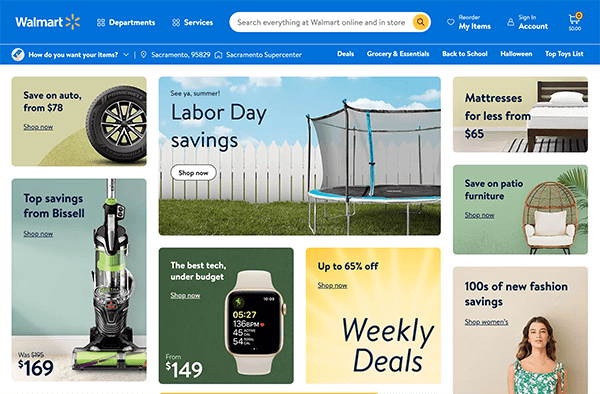
Walmart
Walmart
A one-stop shop for all necessities, renowned for its unbeatable prices and convenience.
Visit Website
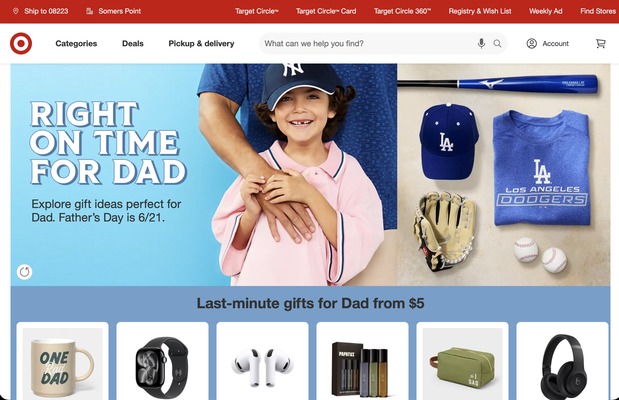
Target
Target
Popular shopping destination featuring stylish apparel, home décor, and daily essentials.
Visit Website
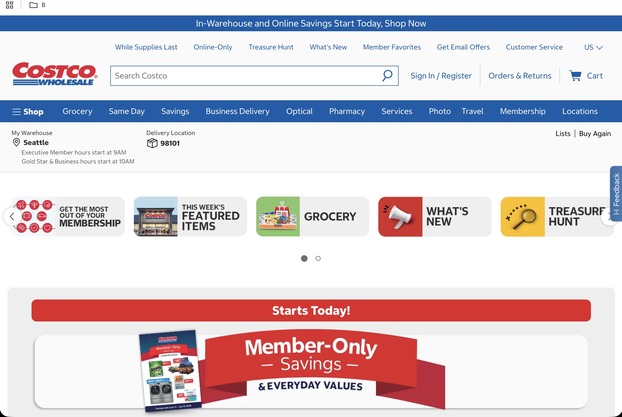
Costco
Costco
Wholesale shopping destination with discounted products, groceries, and household essentials.
Visit Website
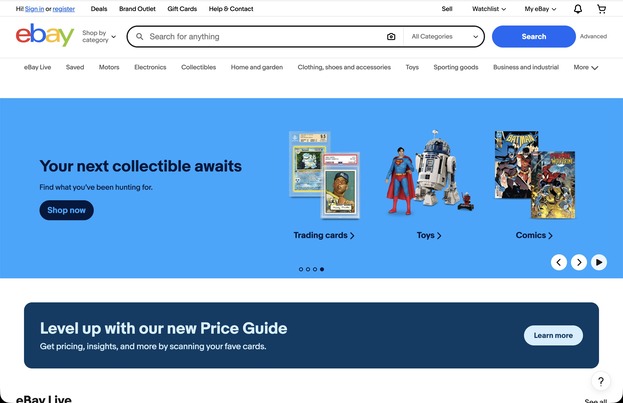
eBay
eBay
Discover products across countless categories from individual and business sellers.
Visit Website
Best Buy
Best Buy
Shop the latest technology, consumer electronics, and home appliances in one place.
Visit Website